What is Holistic Therapy?
“Holistic therapy is an approach that treats the whole person—mind, body, and spirit—rather than just the symptoms, aiming to restore balance and promote overall well-being”
This April, my therapy business, Simply Relaxing, moves over to join Helpmeorganics. I have been a Holistic Therapist for over 30 years and the recipes i use to make my products are still being used in the salon where they were created. Its lovely to see so many people enjoying the many benefits of holistic therapy, when I started in 1995, having a massage was only for the very rich in spas and not many had heard of reflexology or reiki, thankfully more and more people are turning to complementary therapies to make themselves feel more balanced, relaxed and happier. But, for those people who have escaped me, what is holistic therapy and why is it special?
What is Holistic Therapy?
We often think of ourselves in pieces, our mind, our body, or our emotions, rather than as a whole person. But the truth is, all these parts are connected, and taking care of one affects the others. That’s where holistic therapy comes in: it’s about looking after your whole self, not just treating symptoms.
Massage is amazing for easing tension and improving circulation, helping both your body and your mind feel calmer. Reflexology targets specific pressure points to encourage your body’s natural healing and restore balance. And Reiki works with your energy flow, helping to release blockages that can cause stress, fatigue, or emotional strain.
When you approach wellness this way, you’re not just addressing one problem, you’re supporting your entire system. It can leave you feeling more relaxed, energised, and balanced, and over time, it helps you connect more deeply with yourself. Taking care of the whole you isn’t a luxury; it’s a way to live healthier, happier, and more centred every day.
This month’s blog highlights how you can use simple methods to boost your wellbeing
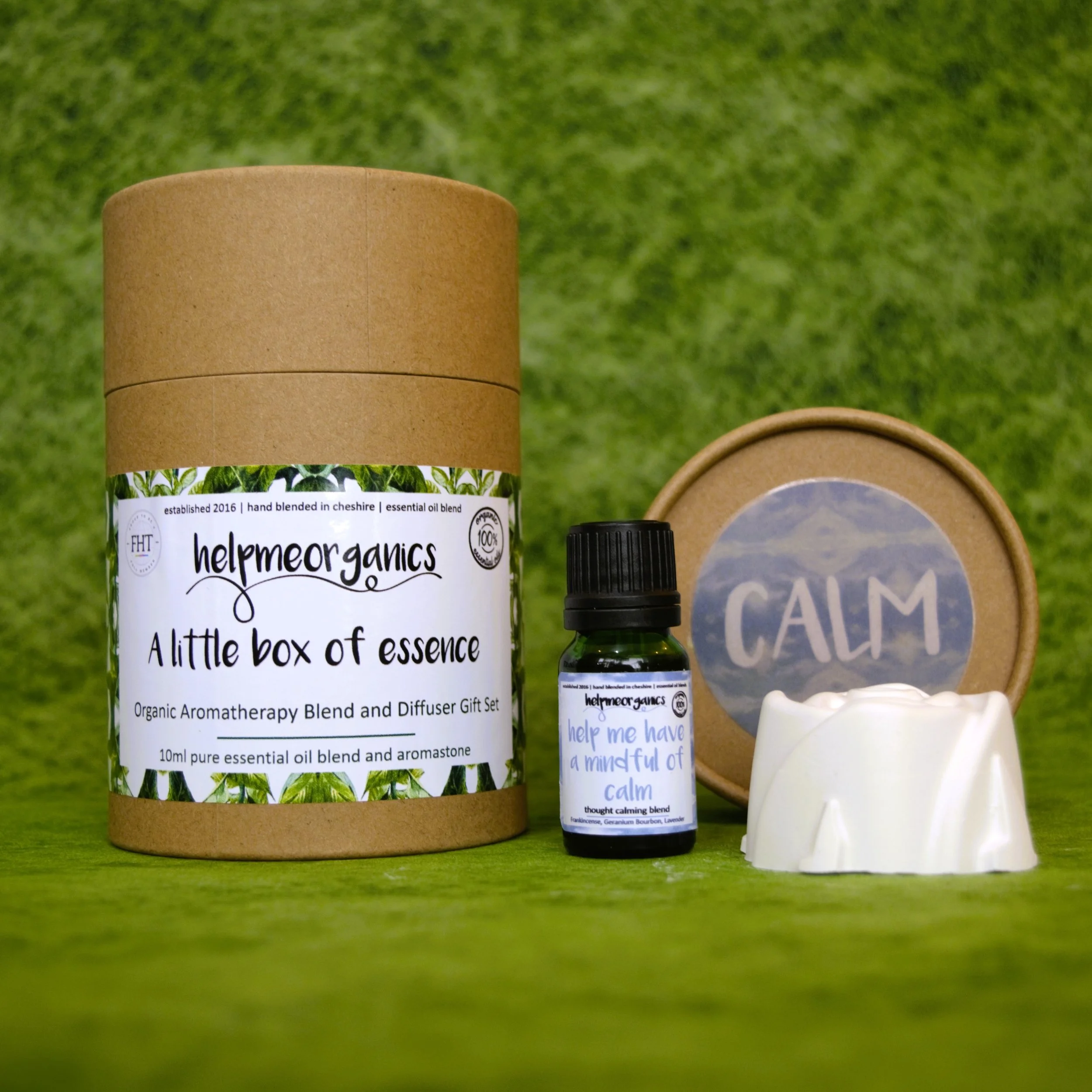
The perfect gift for anyone who is struggling with anxiety
Have you heard of Dusking? And why will it help you sleep better?
Dusking is the practice of stepping outside at sunset to pause as the day turns into night. It’s a moment to watch the light fade and let your body shift with it, a simple ritual that can help you sleep better by slowing your mind and softening the nervous system. The warm, fading light at dusk signals to the body that night is coming, gently supporting your circadian rhythm and encouraging melatonin production, preparing you for rest and repair.
We are now transitioning from winter to spring. As the days grow longer, spring offers a perfect opportunity to reconnect with evening light. Dusk stretches just long enough to step outside, breathe it in, and savor the quiet transformation of the day.
How to Enjoy Dusking
Step outside as the light fades, leaving your phone behind.
Breathe deeply and notice the changes in the sky—its colors, its textures, the softening of the day.
Close your eyes and listen; perhaps you’ll hear a blackbird or robin singing their evening song.
Spend as long as you like, letting the moment slow you down and prepare your body for restful sleep.
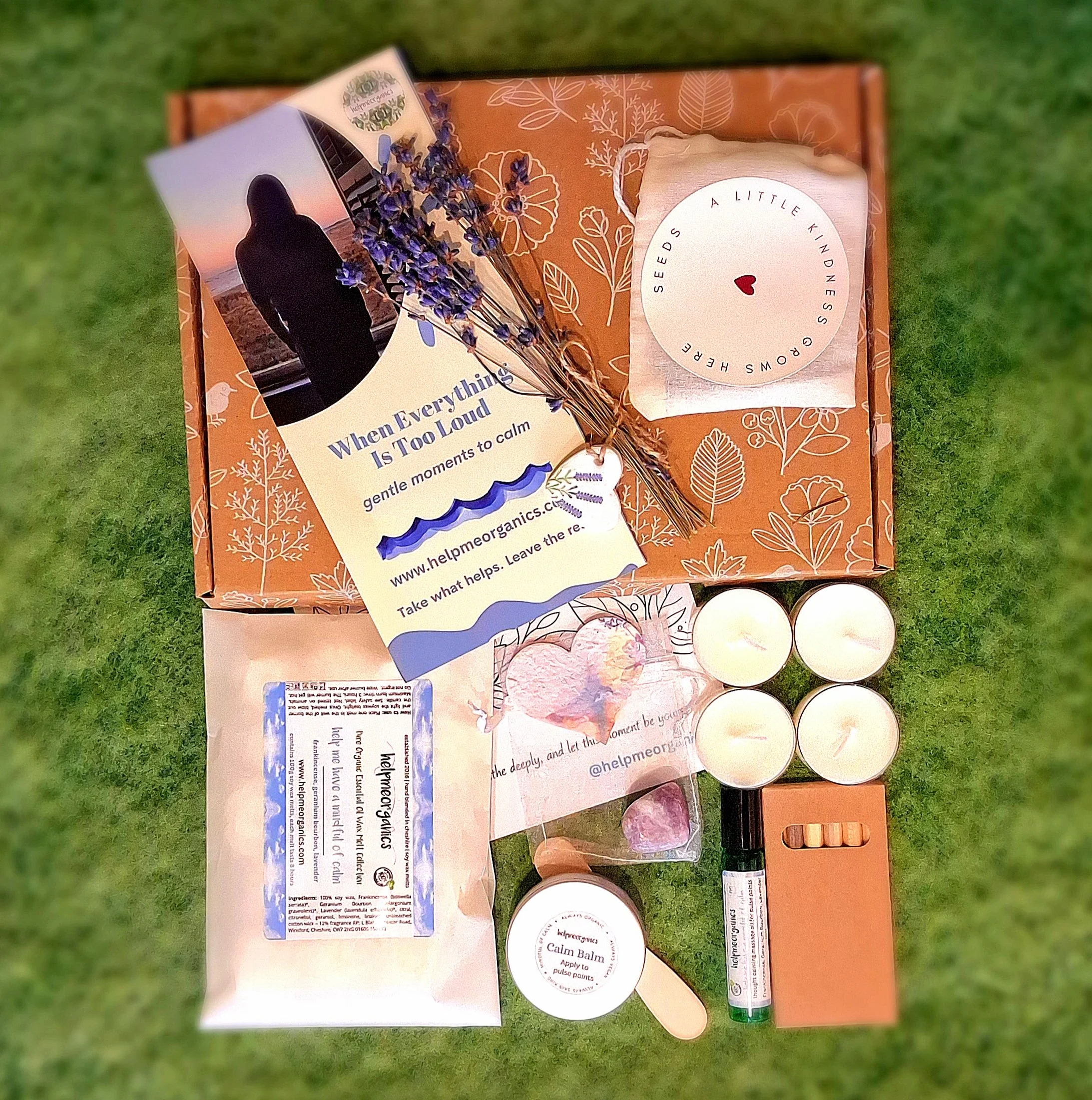
Send a Calm Letterbox Gift to someone sitting their exams
What is the Vagus Nerve?
The vagus nerve is your body’s built-in route back to calm. Modern life keeps many of us in constant “fight or flight” mode, but your body is wired with a natural way to return to balance—you just need to notice it.
If you’ve ever made a decision based on a gut feeling, you’ve already experienced the steadying effects of this essential gut–brain–body connection. Known as the body’s “wandering nerve,” the vagus nerve links your brain to your heart, lungs, and gut. It is a key driver of the parasympathetic nervous system, which governs rest and recovery.
Your gut and brain are always in conversation. The gut has its own nervous system, and information travels back and forth along the vagus nerve. This two-way dialogue influences how you feel, digest, and respond to stress.
Have you heard of vagal tone? This term reflects how active and responsive your vagus nerve is. Strong vagal tone makes it easier to recover from stress, maintain a healthy heart rate, reduce inflammation, and support regular digestion.
Your central nervous system has two main “gears”:
Sympathetic nervous system – your fight-or-flight response. Heart rate rises, breathing quickens, and digestion slows, preparing your body for short bursts of stress.
Parasympathetic nervous system – your rest-and-digest state. Heart rate steadies, digestion resumes, and repair begins. The vagus nerve is a key pathway that helps you shift from survival mode into recovery.
Modern life often keeps us “in our heads” and overstimulated. Constant input from phones, TV, tablets, and the speed of daily life can keep the sympathetic system switched on for too long. You may notice it when you feel wired and tired, struggle to switch off, experience digestive problems, anxiety, or disrupted sleep—these are signs your nervous system is struggling to rebalance.
Ways to support your vagus nerve:
Slow, rhythmic breathing – Deep, steady breaths signal safety to your nervous system and help shift you out of fight-or-flight.
Gentle movement – Rhythmic activities like yoga, tai chi, walking, or stretching help regulate the nervous system and strengthen vagal tone.
Social connection – Time spent with people you feel safe and calm around naturally stimulates parasympathetic signals.
Singing and humming – The vagus nerve connects to your vocal cords and throat muscles, which is why these activities promote relaxation.
Gut support – A healthy, balanced gut microbiome maintains clear communication along the gut–brain axis. Prebiotics, probiotics, flavonoids, and polyphenols all encourage microbial balance and repair.
“Did you know that listening to bird song for just 6 minutes each day stimulates your parasympathetic nervous system, lowering stress and anxiety. It improves focus and attention, and bring about feelings of joy, happiness, calm an contentment”
The Healing Power of Scent
Mental Benefits
Aromatherapy has a direct influence on the limbic system, the part of the brain linked to memory, focus, and cognitive function. Certain essential oils—such as rosemary, peppermint, and lemon—are often used to enhance mental clarity, concentration, and alertness. They can help reduce brain fog, support productivity, and create a sense of mental refreshment. For those experiencing overwhelm or mental fatigue, aromatherapy offers a gentle yet effective way to restore balance and clarity.
Emotional Benefits
One of the most profound aspects of aromatherapy is its ability to support emotional wellbeing. Because scent is closely tied to memory and feeling, essential oils can evoke comfort, calm, or upliftment almost instantly. Oils like lavender, geranium bourbon, and petitgrain are widely used to ease stress, anxiety, and emotional tension. Meanwhile, uplifting oils such as orange or ylang-ylang can help boost mood and encourage a more positive outlook. Aromatherapy can also support emotional release, helping individuals process feelings in a safe and nurturing way.
Physical Benefits
Aromatherapy also offers a range of physical health benefits when used appropriately. Many essential oils possess natural anti-inflammatory, antimicrobial, and analgesic properties. For example, eucalyptus and tea tree oil can support respiratory health and immune function, while lavender and frankincense may help reduce pain, promote relaxation, and improve sleep quality. When used in massage, aromatherapy enhances circulation, eases muscle tension, and supports the body’s natural healing processes.
A Holistic Approach
What makes aromatherapy truly holistic is its ability to address the interconnectedness of mind, body, and emotions. Rather than treating symptoms in isolation, it works to restore overall balance and harmony. Whether through inhalation, massage, or bathing rituals, aromatherapy encourages a deeper connection with oneself—promoting not just healing, but ongoing wellbeing.
Mindfulness and Meditation - Finding Stillness Within
Mental Benefits
Mindfulness, EFT (Emotional Freedom Technique), and meditation all help to calm the constant mental chatter that many of us live with. These practices encourage present-moment awareness, which can reduce overthinking, improve focus, and create a greater sense of clarity. Over time, they help retrain the mind to respond rather than react, supporting better decision-making and a more balanced perspective on daily life.
Emotional Benefits
Emotionally, these practices are incredibly supportive for releasing and regulating feelings. Mindfulness builds awareness of emotions without judgment, meditation creates space for stillness and inner calm, and EFT works more directly with emotional blocks by combining gentle tapping with focused intention. Together, they can help reduce stress, anxiety, and emotional overwhelm, while also fostering self-acceptance, resilience, and a deeper sense of inner peace.
Physical Benefits
Although they are often seen as mental or emotional tools, these practices have very real physical effects on the body. They help activate the relaxation response, lowering stress hormones like cortisol, reducing tension, and supporting better sleep. Regular practice may also help with headaches, muscle tightness, fatigue, and overall nervous system regulation—bringing the body out of “fight or flight” and into a state of rest and repair.
A Holistic Approach
What makes mindfulness, EFT, and meditation so powerful is their ability to work on multiple levels at once. They don’t just quiet the mind—they help you build a deeper connection with yourself. By creating space to pause, reflect, and release, these practices support long-term emotional balance, mental clarity, and physical wellbeing.
Here’s a short mindful breathing exercise to try
Breathe in gently through your nose…
Hold, allowing stillness to bloom…
Breathe out slowly, letting go with ease…
Return to your natural rhythm
And finally -
It may be spring but please do not dig your garden, certain bumble bees will make nests in your lawn. Its still too early to tidy. Enjoy the dandelions. Did you know that dandelions are the healers of your soil. Their deep taproots break up compacted earth, pulling nutrients like calcium to the surface where other plants can reach them. They feed pollinators early in the season when little else blooms, making them a vital member for spring survival for many species.
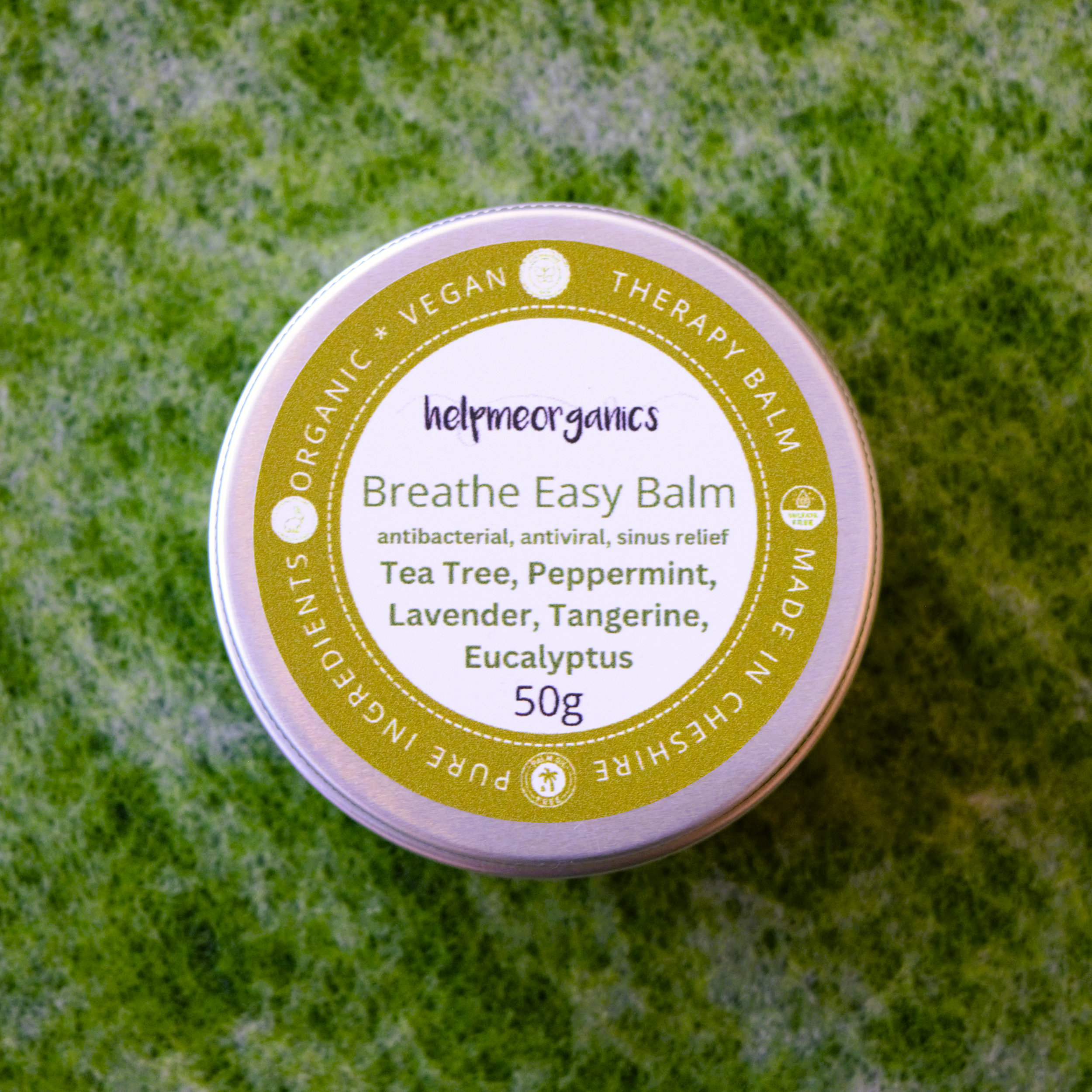
If you struggle with hayfever, try our “help me, i’m feeling under the weather” collection. Sinus busting eucalyptus, tea tree, peppermint, lavender and tangerine will clear your nose, unblock your sinus so you can breathe easier. Maybe try our Breathe Easy Balm to help you sleep well and for irritated skin, our massage oil will help.
we are in exam season. If you or your children are finding this overwhelming, try our “help me have a mindful of calm” scent. Thought calming frankincense, lavender and geranium bourbon will help your mind to calm.